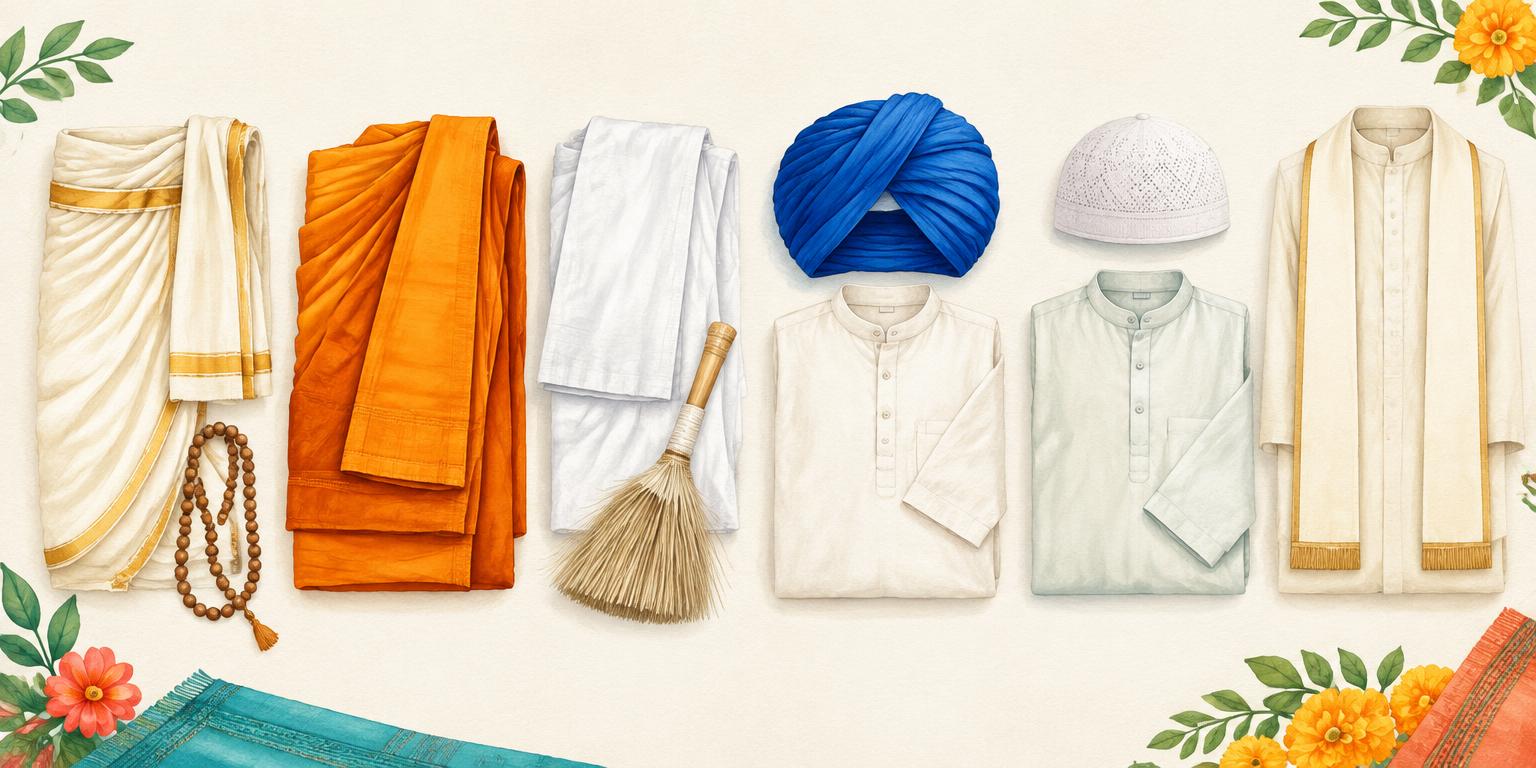
Some words come from Sanskrit and appear in Hindu stories. Here is what they mean in little words.
What is a rishi?+
A rishi is a wise seeker in ancient Indian tradition. Rishis listened, thought deeply and shared teachings and hymns. A rishi could be a woman or a man.
For grown-ups: The Vedas include hymns attributed to rishis; female seers are also remembered in Vedic tradition.
What is a muni?+
A muni is someone who spends time in quiet thought and spiritual practice. In stories, a rishi-muni is a wise person who studies and reflects. The two words are related, but they do not mean exactly the same thing.
For grown-ups: Sanskrit muni means a sage or silent contemplative; the word is used in Hindu, Buddhist and Jain contexts.
What is a sage?+
A sage is a wise person who thinks carefully and shares what they have learned. It is an English word, not the name of a single religious job. A rishi may be called a sage.
For grown-ups: “Sage” is a general English description, not a formal title shared by every faith.
What is a pandit?+
A pandit is a learned person, often someone who knows Hindu prayers and rituals and may guide a family ceremony. Not every Hindu teacher is a pandit, and not every pandit does the same work.
For grown-ups: From Sanskrit paṇḍita, meaning learned or wise.
What is a Brahmin?+
Brahmin is the name of a community and a traditional social category in Hindu society. Some Brahmins have been priests or scholars, but many do other jobs. Being born in any community does not make anyone more or less worthy.
For grown-ups: Brahmin refers to a social group; it is not another word for pandit or for the divine Brahman.
What is a Kshatriya?+
In old Indian descriptions of society, Kshatriya was a category associated with rulers and protectors. Today, nobody's birth decides how brave, kind or important they can be.
For grown-ups: A traditional varna category; actual histories and communities are more varied than a four-part description.
What is tapasya?+
Tapasya means practising self-discipline to focus on a spiritual goal. In stories, someone may sit quietly, pray or give up comforts for a time. It is not a contest to hurt yourself; children should never copy hard fasting or painful practices.
For grown-ups: From Sanskrit tapas; practices differ widely among Hindu, Buddhist and Jain communities.
What is a vardaan?+
A vardaan is a special gift or blessing. In a story, someone may receive one after a long prayer. Real life is not like a magic wish: being kind matters more than getting powers.
For grown-ups: Hindi vardaan derives from Sanskrit vara, a boon or blessing.
What is a shraap?+
A shraap is a curse in a story: words that are said to bring trouble. Many old tales use a shraap to show why angry words can hurt. You do not have to worry that a cross word from a friend is magic.
For grown-ups: Hindi shraap derives from Sanskrit śāpa, curse; the meaning here describes storytelling, not a claim about real-world harm.
What are karma and dharma?+
Karma is about actions and their effects. Dharma can mean a way of living rightly or a duty. Hindu, Buddhist, Jain and Sikh teachers explain these big ideas in different ways, so one short answer cannot tell the whole story.
For grown-ups: Meanings vary across texts, languages and traditions.